
How to Downgrade WordPress Version
How to Downgrade WordPress Version (Without Breaking Your Site) WordPress updates usually promise more speed, better security, and that warm fuzzy feeling of “being up to date.” But every now and then, an update throws a wrench into the works—plugins start sulking, themes misbehave, and your site might just decide to play dead. That’s when knowing how to downgrade WordPress version can be your secret weapon. In this guide, we’ll show you exactly how to do it—safely, effectively, and with a few laughs along the way. Why Downgrade WordPress (Yes, It Happens) You might be wondering, “Why would anyone want to go back in time when the future looks so shiny?” Here are a few real-world reasons: Important Reminder: Downgrading should always be temporary. Think of it like moving back in with your parents—useful, but not something you want to do forever. Step 1: Prepare Like a Pro (Or Like a Paranoid Developer) Before learning how to downgrade WordPress version, take a few safety measures: Step 2: Manual Downgrade via FTP (The Classic Way) If you like the hands-on approach (or just love FileZilla), here’s how to downgrade manually: This method works like a charm, but please—no cowboy moves. Always test first on staging. Step 3: Use a Plugin (The Safer Shortcut) If FTP isn’t your style, let a plugin do the heavy lifting. Enter: WP Downgrade. Here’s how: It’s like time travel but with fewer paradoxes. Using plugins like these is the most user-friendly way to learn how to downgrade WordPress version without touching a single line of code. Step 4: Restore From Backup (If You Have One) This one’s simple: This is the equivalent of pressing “Undo” after things go sideways. Works well—assuming you remembered to hit “Save” in the first place. Step 5: Roll Back a Plugin or Theme Instead Sometimes, the core WordPress update isn’t the villain. It’s that shiny new plugin or a poorly tested theme update. Solutions: Trust us, figuring out how to downgrade WordPress version doesn’t always mean downgrading the whole site. Sometimes you just need to tame one misbehaving extension. Step 6: Disable Automatic Updates (Temporarily!) After a downgrade, WordPress may try to “help” by updating again. Politely tell it to stop—for now. Edit your wp-config.php file and add: define(‘AUTOMATIC_UPDATER_DISABLED’, true); Just don’t forget to re-enable updates once you fix the underlying issue. (You don’t want to live in the past forever—unless you miss dial-up internet too.) Final Checks: Don’t Skip These Wrapping It Up: Downgrade Smart, Not Forever Learning how to downgrade WordPress version can save your website when things go wrong. But don’t make it a long-term solution. Use it as a temporary fix: And always—always—plan to upgrade again when the issue is resolved. Need Help with WordPress or SEO? If all of this feels like juggling chainsaws in the dark, we get it. That’s where we come in. As a trusted digital marketing company in Chandigarh, we help businesses like yours manage WordPress sites, SEO strategy, and everything in between—without panic attacks. Need us to handle updates, backups, SEO audits, or plugin conflicts? Let’s talk. We’ll even bring the coffee.
How to Become a WordPress Developer
It’s no secret—WordPress powers over 40% of the internet. From personal blogs to eCommerce empires, this platform is everywhere. But while anyone can install a theme or drag and drop a few widgets, those sleek, high-performing, fully customized sites? Those are built by WordPress developers. If you’ve ever wondered how to become a WordPress developer, now’s the perfect time to jump in. Let’s break it down into actionable steps—minus the tech jargon (well, mostly). What Does a WordPress Developer Actually Do? A WordPress developer builds and maintains websites on the WordPress platform. That could mean: Whether you work for an agency, freelance from a beachside café (yes, it’s possible), or contribute to WordPress core, the demand for these skills is booming in 2025. Pick Your Path: Types of WordPress Developers Before you start coding up a storm, it helps to understand what kind of WordPress developer you want to be: Not sure which one suits you? Don’t worry—you’ll find your groove as you build your skills. Skills You Need to Learn (Don’t Worry, You’ve Got This) If you’re serious about learning how to become a WordPress developer, it all begins with programming. No, you don’t need to become a coding wizard overnight, but a good handle on the following will set you apart: Pro Tip: Tools like W3C Validators, GitHub, and cheat sheets are your best friends. They’ll make you look smarter—and let’s be honest, that’s half the job. What Can You Actually Build? Once you have the skills, you’ll be surprised at how much you can do: WordPress is your canvas—and yes, you’re the artist. Picasso with code, if you will. Build Something. Anything. You can only watch so many YouTube tutorials. At some point, you’ve got to get your hands dirty. Build your first WordPress site—whether for your cousin’s food blog or a made-up travel company. Use tools like LocalWP to experiment safely. Mistakes will happen, but that’s where the magic begins. Pick Your Specialty Once you’ve dabbled in all areas, it’s time to specialize. Choose based on what excites you: You don’t have to niche down on day one—but it helps to know where you’re headed. Learn from the Community and Level Up Still wondering how to become a WordPress developer in a way that stands out? Join the community. WordPress has a massive network of developers who: Enroll in courses from Coursera, BitDegree, or even the WordPress Codex itself. You’ll find tutorials ranging from “What is a Theme?” to “How to Debug Without Crying.” Build a Portfolio That Speaks for You If you’re aiming to get hired or go freelance, a strong portfolio is your golden ticket. Include: Even if you’re just starting, showcase your learning journey. Clients love seeing growth—it makes them feel like they’re investing in potential. Monetize Your Skills This is where things get exciting. Once you’ve grasped how to become a WordPress developer, it’s time to make it rain (or at least drizzle). You can: Just don’t forget the not-so-fun part: contracts, invoices, and taxes. Use tools like Zoho or Bonsai to keep it all tidy—and to sound fancier than you are when talking to clients. A Few Final Tips to Stand Out And if all else fails, slap on some coffee, press Ctrl+Z, and pretend that bug never happened. Conclusion: Your WordPress Journey Starts Here Learning how to become a WordPress developer in 2025 isn’t just about writing code—it’s about solving problems, building online experiences, and constantly leveling up. Whether you dream of freelancing around the world or building your own SaaS empire, it all begins with WordPress. And if you need expert help growing your brand online, we’ve got you covered. We’re a leading digital marketing company in Chandigarh helping businesses not only build websites but build visibility through smart SEO, PPC, and content strategies. Whether you’re a small business owner or a budding WordPress developer looking for guidance—we’re here for you. Let’s code something amazing.
How to Add Meta Tags in WordPress
When it comes to WordPress SEO, there’s one detail that often hides in plain sight—meta tags. They’re not flashy, and you won’t find them doing cartwheels on your website. But when it comes to search engine visibility? These tiny HTML snippets carry a heavyweight title. In this guide, you’ll learn how to add meta tags in WordPress step-by-step, whether you prefer plugins like Yoast or enjoy getting your hands a little dirty in theme files. So let’s roll up our sleeves and start optimizing! What Are Meta Tags and Why Are They Important? Meta tags are short pieces of code that tell search engines what a page is about. Think of them as the backstage pass to your website—Google doesn’t care about your website’s color palette, but it does care what your meta description says. The three most commonly used meta tags include: If you’ve ever wondered how to add meta tags in WordPress and why it matters, it’s because they influence how your pages appear in search results—aka your website’s first impression. And as we all know, first impressions count (especially with impatient Googlers). Do You Really Need Meta Tags in WordPress? By default, WordPress doesn’t include meta title and description fields. Why? Because WordPress assumes you’re too busy creating content and drinking coffee to bother with code. Jokes aside, it gives you flexibility. Post metadata (like author name or date) is different. Those are visible to readers. Meta tags, on the other hand, live inside your site’s HTML header, quietly informing Google what your content is about. Method 1: Adding Meta Tags with a Plugin Using Yoast SEO Plugin If you want to know the easiest way for how to add meta tags in WordPress, it’s through plugins. And Yoast SEO is the MVP of the bunch. Step-by-step: You can also define default meta descriptions for all posts/pages under the Yoast settings → Search Appearance. Other Plugin Options Method 2: Manually Adding Meta Tags in WordPress If you like living life on the edge—or just prefer direct control—you can add meta tags manually. Here’s how to add meta tags in WordPress without a plugin: a. Edit the header.php File <meta name=”description” content=”This is your page description.” /><meta name=”keywords” content=”SEO, meta tags, WordPress” /> Heads up: if you switch themes later, your changes might disappear faster than free pizza at a team meeting. b. Using Conditional Tags for Dynamic Content To show different meta descriptions for posts vs. pages: meta name=”description” content=”<?php if ( is_single() ) {single_post_title(”, true);} else {bloginfo(‘name’); echo ‘ – ‘; bloginfo(‘description’);} ?>” /> c. Add via functions.php You can even write a function: function custom_meta_tags() {echo ‘<meta name=”description” content=”Your description here” />’;}add_action(‘wp_head’, ‘custom_meta_tags’); This adds your tags dynamically on every page load. Just don’t forget to click “Update File” (and maybe hold your breath for a second). How to Write Effective Meta Titles and Descriptions You know how to add meta tags in WordPress now, but writing good ones is half the battle. ✅ Tips: Bad example: “Best SEO Meta Tags for WordPress Meta Tags and WordPress Meta Tags SEO…” Good example: “Learn How to Add Meta Tags in WordPress for Better SEO” How to Monitor and Improve Meta Tag Performance You’ve added your meta tags—great. But how do you know they’re working? 🔧 Tools to Use: Tracking performance helps you revise underperforming meta descriptions and identify duplicate tags or overly long titles. Conclusion Meta tags might be invisible on your website, but their impact is loud and clear. Knowing how to add meta tags in WordPress—whether manually or with plugins—gives you the power to guide search engines and attract clicks. Like dressing your website in a smart suit before sending it out into the world. So don’t ignore this step in your SEO strategy. Add them with intent, optimize them with care, and test them for results. 🚀 Need Help Optimizing Your Meta Tags? At SE Rank Pro, we help businesses like yours grow with smart SEO strategies. As a leading digital marketing company in Chandigarh, we specialize in WordPress SEO, content optimization, and technical audits. Whether you need expert support or just don’t want to mess with your header.php file—we’re here to help.
What Is WordPress Development?
A Beginner-Friendly Guide to Building Modern Websites In a world full of flashy frameworks and expensive website builders, one platform quietly powers over 40% of the entire internet—and it’s not going anywhere anytime soon. Yes, we’re talking about WordPress. But let’s get specific: what is WordPress development, and why is it one of the most in-demand skills in the digital world? Whether you’re a small business owner, a freelance designer, or someone who just Googled “how to build a website without crying,” this guide is for you. Let’s break it all down in plain English. So, What Is WordPress Development Exactly? At its core, WordPress development is the process of creating, customizing, and maintaining websites using the WordPress platform. This can range from setting up a simple blog to building complex eCommerce platforms or membership portals. There are two main sides to WordPress development: Developers can work with themes, plugins, custom blocks, and even APIs. The beauty? It’s open-source, meaning you can tweak the code like it’s your grandma’s cookie recipe. Just don’t burn it. Why Should You Even Care About WordPress Development? Besides the fact that giants like The New Yorker and Facebook Newsroom use it? Because: Whether you’re freelancing from home or building your startup’s site, learning what is WordPress development is like learning to ride a bike—with training wheels you can remove later. Key Components That Make Up WordPress Development Themes Think of themes as your site’s wardrobe. They control design, layout, and style. You can choose from thousands of free or premium themes—or develop your own if you want to show off. Plugins These are small packages of code that expand your site’s powers. Want a contact form? There’s a plugin. Need a booking system? There’s a plugin. Want your site to make coffee? Okay, not yet—but we’re working on it. Custom Blocks & Post Types With the Gutenberg editor, you can build pages like Lego blocks—no coding required. And if you’re a developer, you can create your own custom blocks or post types for complete flexibility. The Languages Behind the Magic Understanding what is WordPress development also means knowing a little code (don’t worry, it’s not rocket science): Once you know these basics, you’ll be able to build anything from scratch—or just impress your coworkers in the next Zoom meeting. Self-Hosted vs. Hosted: The WordPress Dilemma WordPress comes in two flavors: If you’re serious about flexibility, performance, or development freedom, go with WordPress.org. You’ll thank yourself later. How to Get Started with WordPress Development Tip: Always test on a staging site before pushing updates live—because no one wants to be the person who accidentally deletes the homepage. Careers, Freelancing, and Endless Possibilities Learning what is WordPress development doesn’t just mean building your own site—it opens up a whole world of opportunities. You could: The salary for WordPress developers varies by country and experience but continues to grow globally thanks to the increasing demand for digital solutions. Keeping Up with WordPress Trends WordPress is evolving constantly. As a developer, stay updated with: Trust us—WordPress isn’t just a CMS. It’s an ecosystem. A pretty friendly one too, if you’re into that sort of thing. Final Thoughts: Is WordPress Development Worth Learning? If you’re still wondering what is WordPress development, here’s the short version: it’s a powerful, flexible, and highly practical way to build anything online—from simple portfolios to complex web applications. Whether you’re a curious beginner or a pro coder looking to expand your toolkit, WordPress development is an essential, future-proof skill. Need Help Building Your WordPress Site? At our digital marketing company in Chandigarh, we specialize in helping businesses get the most out of WordPress. From setting up custom themes and plugins to scaling eCommerce stores and optimizing for SEO, we handle everything—so you don’t have to. Want to know more about what is WordPress development and how it can help your brand? Let us build a site that not only looks great but works like a charm.
How to Create a Page with Elementor
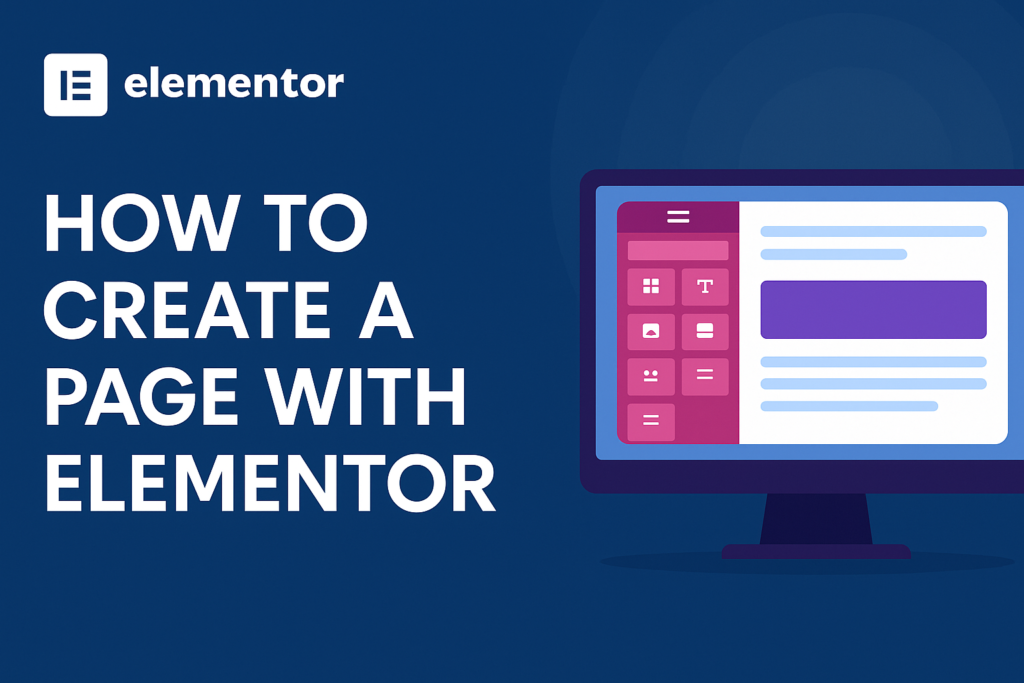
The first time I tried to build a WordPress page, I spent 2 hours wrestling with blocks, formats, and a mysterious sidebar that kept disappearing. It felt like trying to assemble IKEA furniture with no manual. Then I discovered Elementor—and suddenly, creating web pages didn’t feel like a nightmare. If you’ve ever asked yourself how to create a page with Elementor, you’re not alone. This drag-and-drop page builder is a game-changer for beginners and pros alike. No coding, no frustration—just your vision and a few clicks. In this blog, we’ll walk you through everything from installation to publishing a fully functional and good-looking WordPress page using Elementor. What Is Elementor and Why Is Everyone Talking About It? Elementor is a leading WordPress page builder plugin with over 5 million active installations. Its intuitive interface lets you design mobile-responsive pages in real-time—without touching a single line of code. You can choose between Elementor Free (which is surprisingly powerful) and Elementor Pro, which unlocks advanced features like Theme Builder, WooCommerce integration, and marketing widgets. Whether you’re building a personal blog, a landing page, or an eCommerce site, Elementor gives you complete control over layout and styling—without needing a developer or, worse, calling your cousin who “once built a site in college.” Before You Begin: What You’ll Need Before diving into how to create a page with Elementor, make sure you have: We also recommend choosing the “Elementor Canvas” template for a blank slate (no header, no footer, no distractions—just you and your masterpiece). Step-by-Step: How to Create a Page with Elementor Step 1: Create a New Page Log in to your WordPress dashboard. Go to Pages > Add New. Title your page (e.g., “Home” or “My Awesome Page”), and from the Page Attributes section, choose Elementor Canvas for a distraction-free layout. Step 2: Click ‘Edit with Elementor’ This button takes you into Elementor’s visual builder. You’ll now see a two-panel layout: the widget sidebar on the left, and your live preview canvas on the right. No preview-tab juggling needed—what you see is literally what you get. Step 3: Add a Section and Choose a Structure Click the “+” icon in the main canvas to add a new section. Choose your desired column structure—single, double, or more. Think of these as the backbone of your layout. Step 4: Drag, Drop, and Customize Now the fun begins. Drag widgets (like Heading, Image, Button, or Video) from the left sidebar into your section. Each widget can be styled using the Style and Advanced tabs. Want a full-width hero image with text and a call-to-action button? No problem. Want a two-column layout with an image on the left and text on the right? Easy. And yes, Elementor also has ready-made templates and blocks if you’d rather skip the design and jump straight to customization. (Hey, no shame in letting the experts handle the heavy lifting.) Step 5: Make It Mobile-Friendly Elementor lets you preview and edit your design for desktop, tablet, and mobile. Just click the responsive icon and fine-tune your layout for every device. Because that brilliant desktop layout may not look so hot on a smartphone. Step 6: Save or Publish Done designing? Click Publish. Need a break? Hit Save Draft. Need to undo a styling crime you committed five minutes ago? Use the Revision History feature to roll it back like nothing ever happened. (We’ve all been there.) Pro Tips That Will Make You Look Like a Designer Mistakes to Avoid (Learn from Our Embarrassment) Also, don’t rely solely on auto-save. Elementor is amazing, but even it can’t save you from accidental browser closures. Click “Save” often. Like, really often. Elementor Pro: Is It Worth It? If you’re building just one or two pages, the free version is more than enough. But if you want WooCommerce integration, theme building, popups, or a slick form builder, Elementor Pro pays for itself quickly—especially if you’re managing multiple sites. Freelancers, agencies, and eCommerce entrepreneurs especially benefit from the additional widgets, templates, and support. Conclusion: From Confusion to Creation We hope this guide answered your question: how to create a page with Elementor. The journey from blank canvas to beautiful web page doesn’t require a degree in design—or even a background in tech. With Elementor, you’re not just building pages—you’re creating experiences. Need Help? We’ve Got You Covered If you’re looking to level up your website or need custom Elementor pages built for your brand, our Digital Marketing Company in Chandigarh is here to help. From SEO to full-fledged web development, we build digital strategies that work. Ready to turn clicks into customers? Visit SE Rank Pro – the trusted digital marketing company in Chandigarh powering local and global brands alike.
What is Headless Architecture?

A Future-Ready Guide for Modern Web Development. In the fast-moving world of web development, flexibility isn’t a luxury — it’s a necessity. With customer expectations spanning websites, mobile apps, smartwatches, and even your refrigerator screen (yes, that’s a thing now), traditional website structures are struggling to keep up. Enter headless architecture — a concept that may sound like something out of a Halloween tech conference, but is actually the smartest way to future-proof your digital presence. What is Headless Architecture? Let’s start simple. Headless architecture refers to the decoupling of the front-end (what users see) from the back-end (where your data lives). Instead of being trapped in an “all-in-one” platform like WordPress where everything is tightly connected, the frontend and backend in a headless setup communicate via APIs. Imagine a vending machine that lets you choose your display and snack combo without forcing you to buy the same candy bar everyone else does. That’s what headless offers: freedom. In essence, what is headless architecture? It’s a structure that gives developers the power to design custom user experiences while maintaining a powerful backend that doesn’t interfere. Headless vs. Monolithic Architecture Monolithic CMS platforms like WordPress or Drupal bundle everything into a single block — database, templates, logic, you name it. Easy to start with, yes. But try scaling, and suddenly it’s like adding floors to a house made of Jenga blocks. Headless platforms, on the other hand, let you renovate and upgrade any part without risking a collapse. Whether it’s launching a mobile app or adding AR product previews, the decoupled nature gives your brand breathing room and tech flexibility. Headless, Microservices, and Composable: Know the Difference You’ll often hear microservices and composable architecture thrown around with headless. Here’s how they differ: Think of headless as choosing your own adventure — composable is choosing your adventure and building your own map. Key Features of Headless Architecture Headless CMS Explained A headless CMS manages content creation and storage — but doesn’t dictate how it’s displayed. It delivers content via APIs, allowing it to show up on websites, apps, smartwatches, or even your fridge (again, yes, this is happening). Popular options like Contentful, Sanity, Storyblok, and Hygraph have become go-to choices for headless content management. So, what is headless architecture doing differently? It unshackles content teams from rigid layouts and gives developers creative freedom to design the frontend experience independently. Top Benefits of Going Headless Is It Right for Everyone? (Spoiler: Not Always) Going headless isn’t a silver bullet. It’s not ideal for teams without technical resources or for businesses that just need a simple, static website. You may want to wait if: But if you’re aiming for omnichannel dominance, flexible design, or faster updates — it’s time to consider what is headless architecture and why it may be your best investment yet. Real-World Success Stories Big names already reaping the headless rewards include: So yes, headless isn’t just for tech giants — smaller businesses with big ambitions can benefit just as much. Making the Migration Planning to go headless? Here’s what to expect: Conclusion: The Future is (Headless) Now So, what is headless architecture in one sentence? It’s the future-ready, API-driven approach that empowers brands to move fast, scale smart, and build standout digital experiences across any channel. Yes, monolithic systems still serve a purpose for simple use cases. But if you want your website to evolve with your customers — not lag behind — going headless is the smarter move. Need Help Going Headless? We’re Here At Digital Marketing Company in Chandigarh, we specialize in modern web development strategies — and that includes helping businesses of all sizes understand, implement, and scale with headless architecture. If you’re asking “what is headless architecture and how can it help my business?”, you’re asking the right questions — and we’ve got the right answers. Let’s build something flexible, scalable, and fast — together.
How Should You Use Tags in WordPress to Improve the Navigation of Your Website?
Let’s be honest—nobody likes getting lost, whether in traffic, a shopping mall, or worse… on a website. That’s where WordPress tags come in. They’re not just pretty labels at the end of your blog posts. When used right, tags can become the GPS of your WordPress website, guiding users smoothly from one post to another. So, how should you use tags in WordPress to improve the navigation of your website? Let’s break it down—minus the tech jargon and with just a dash of professional humor. What Are WordPress Tags Anyway? WordPress tags are specific keywords you attach to a post that describe what it’s about. Think of them as topic indicators that connect similar posts. Unlike categories, which are broader (think “Travel”), tags are more specific (“budget trips”, “Paris”, “packing hacks”). So, if you’re blogging about “Top Packing Tips for a Europe Trip,” your category might be “Travel,” while your tags would include “packing tips,” “Europe,” and maybe even “carry-on checklist.” These tags create mini content hubs—useful for readers and even better for your bounce rate. Tags vs. Categories: Know the Difference If categories are the bookshelf, tags are the post-it notes guiding readers to specific topics. Categories group your posts under broad topics, and you must assign at least one per post. Tags, on the other hand, are optional and act like mini-filters or subtopics. Still wondering how should you use tags in WordPress to improve the navigation of your website? Start by using categories for structure and tags for discovery. How Tags Enhance Site Navigation When users click on a tag, they’re shown all posts with that tag. This cross-linking doesn’t just keep readers on your site longer—it makes your content easier to explore. Imagine reading a post on “Email Subject Line Tips” and seeing a tag labeled “Email Marketing.” A curious reader clicks on it and—voilà—lands on all your posts about email campaigns. That’s strategic navigation made simple. Tags essentially: That’s why people keep asking, how should you use tags in WordPress to improve the navigation of your website? The answer? Strategically and with purpose. Tagging Best Practices: What You Should Know in 2025 Here’s where many WordPress users go wrong. Tags aren’t random hashtags for fun—they should be carefully chosen and consistently applied. Use 3–10 Tags Per Post No one needs a laundry list of tags. Use only what matters. Aim for 3 to 10 highly relevant tags that describe the post accurately. Avoid Duplicate Tags “SEO,” “Seo,” and “seo tips” are not three different tags—they’re one, and splitting them just confuses WordPress, Google, and your readers. Don’t Create One-Off Tags Tags with only one post attached are like a solo cup at a party—awkward and unhelpful. Group similar content or remove them altogether. Standardize Your Tag Format Pick a case style (title case or lowercase) and stick to it. Inconsistent tagging makes your backend messy and your tag clouds chaotic. Optimizing Tag Pages for SEO Here’s a trick: tag archive pages can rank in Google if done right. But if left unoptimized, they turn into duplicate, thin-content nightmares. Do This: Smart Tag Usage in Navigation Let’s take your tags beyond the post footer: 1. Add Tags to Menus Popular tags can go into your primary navigation. For example, if “Beginner Guides” is a recurring theme, link that tag in the top menu. 2. Display Tag Cloud Widget But use it wisely. A tag cloud with 100 terms is like dumping your toolbox on a client’s desk. Highlight the most-used tags (styled properly) in the sidebar or footer. 3. Link Tags Inside Content Mentioning a topic? Link it to its tag archive. Example: Want to learn more about local SEO? Click and explore all our tips. Once again, how should you use tags in WordPress to improve the navigation of your website? Use them as natural content guides, not as decorations. Tools to Supercharge Your Tags Plugins can make tag management easier: When You Need More Than Tags If your content is heavy or highly structured (think real estate listings or online courses), consider custom taxonomies. These let you create tag-like systems tailored to your site’s complexity. Great for advanced filtering and faceted search. Mistakes to Avoid Pro tip? Audit your tags every few months. Use tools like WP Term Manager to merge or delete dead weight. Conclusion So, how should you use tags in WordPress to improve the navigation of your website? The answer is: like a pro. Tags should guide users, connect content, support SEO, and streamline your site’s structure. Use them wisely: And if all this feels like too much to juggle alongside running your business, why not let the pros handle it? We’re a digital marketing company in Chandigarh, and we specialize in WordPress SEO, content strategy, and user-friendly site navigation. Whether you need help cleaning up your tags or crafting a complete SEO plan, we’re here to help your site go from cluttered to clickable. Ready to optimize your website? Reach out to your trusted digital marketing company in Chandigarh today—and let’s make your WordPress site a pleasure to navigate.
How to Unblock Stuff
The Ultimate Guide to Accessing Restricted Websites Picture this: You’re at school or the office, just trying to open YouTube for a quick video—or maybe Instagram to check how your lunch selfie is doing—and boom… “This site is blocked.” Tragic, isn’t it? Whether it’s your school network playing digital cop, your boss trying to keep you “focused,” or a government firewall guarding your screen like a hawk, knowing how to unblock stuff is quickly becoming an essential life skill. But don’t worry—we’re not going to suggest you start wearing a hoodie and hacking like you’re in a spy movie. This guide will walk you through smart, safe, and mostly legal ways to access the internet freely. Why Are Websites Blocked in the First Place? Websites are usually blocked for one of four reasons: Understanding why content is blocked helps in choosing the right method to bypass it. So let’s dive into how to unblock stuff the right way. 1. Use a VPN (Virtual Private Network) This is the gold standard. VPNs mask your IP address and encrypt your internet traffic. It’s like sending your data through a tunnel where no one can peek. Want to access U.S. Netflix while you’re vacationing in Paris? A VPN makes it happen. But here’s the catch—good VPNs are not always free. And free VPNs? Well, they’re free for a reason (yes, we mean slower speeds and sketchy data practices). Still, if you’re serious about unblocking stuff without compromising your security, a VPN is your best bet. NordVPN, Surfshark, and AVG Secure VPN are solid choices. 2. Proxy Servers: The Fast (and Sometimes Flimsy) Fix If VPNs are the armored truck, proxies are like scooters with paper license plates. They reroute your traffic through another server to hide your IP address, but unlike VPNs, most proxies don’t encrypt your data. Great for school assignments or checking blocked Wikipedia pages, but maybe don’t use one to log into your bank account. Consider yourself warned. 3. Tor Browser: For the Privacy Purists Tor (short for The Onion Router) bounces your connection through several nodes to anonymize your traffic. It’s the browser of choice for whistleblowers, privacy advocates—and people trying to read banned books online. It’s free, super secure, and pretty slow. Think dial-up speed nostalgia. Still, it’s an effective way to unblock sites when other tools fail. If you’re learning how to unblock stuff in high-surveillance countries, Tor could be your best friend. 4. Quick Tricks That Might Just Work Not every blocked site requires heavy tools. Sometimes, simplicity wins. Here are a few tricks: 5. Change DNS Servers Many blocks happen at the DNS (Domain Name System) level. Switching your DNS to public ones like Google (8.8.8.8) or Cloudflare (1.1.1.1) can get around certain restrictions. Bonus: It can even speed up your browsing. It’s a straightforward fix if you’re mildly tech-savvy, and there are step-by-step tutorials online for all devices. 6. Mobile Data and Hotspots Sometimes, the quickest solution is switching networks. If you’re blocked on Wi-Fi, use mobile data. If your phone can’t open a site, try tethering your laptop to your mobile hotspot. Just watch your data cap—you don’t want your freedom to cost you extra this month. 7. Browser Extensions Many VPNs and proxies offer browser extensions for Chrome, Firefox, and Edge. These are lightweight alternatives if you can’t install full software on your device. They’re handy for casual browsing, but remember—they might not unblock streaming services or high-security websites. Is It Legal to Unblock Stuff? Let’s not pretend we’re in a courtroom, but yes, it depends. When in doubt, always check local laws and don’t use these tools for anything shady. The internet may feel lawless, but your employer or school admin certainly isn’t. Final Word: Browse Smart, Not Reckless Now that you know how to unblock stuff, it’s your responsibility to do it wisely. Don’t go around accessing harmful or illegal content. Use these tools to expand knowledge, access your favorite content, and—okay, maybe check a meme or two. Want to make sure your digital presence is as free-flowing as your internet access? We can help. At SE Rank Pro, a leading digital marketing company in Chandigarh, we don’t just unblock content—we unlock online potential. From SEO to performance marketing, we help businesses rise above the noise and firewalls. Whether you’re trying to figure out how to unblock stuff or how to rank #1 on Google, we’ve got the tech, the tools, and the team. Let’s build something visible—no proxies required.
What Is a Root Directory?

A Beginner’s Guide to the Backbone of File Systems and Websites. If you’ve ever heard the term “root directory” thrown around in tech conversations and felt too embarrassed to ask what it actually means — don’t worry, you’re not alone. Many developers toss it in casually like it’s common knowledge, but for the rest of us, it can sound like mysterious digital jargon. So, what is a root directory, really? Why does everyone from IT administrators to web developers treat it like the control room of a spaceship? In this guide, we’ll demystify the root directory, explain its role in computers and websites, and even dive into how it affects SEO. Let’s dig in—no root access needed. What Is a Root Directory? Let’s Start at the Top Think of your file system as a tree — the root directory is the trunk. Everything else — images, files, folders, and subfolders — branches out from it. In technical terms, what is a root directory? It’s the top-most folder in any hierarchy, whether it’s your computer’s hard drive or your website’s hosting structure. In Windows, it’s represented as something like C:\. In Linux or Unix-based systems, it’s just /. On websites, it might be called public_html, www, or htdocs. No matter what system you’re working on, the root is always where everything begins. Like your first cup of coffee in the morning, it sets the tone for everything else. The Root Directory in Computing In computing, the root directory is home base for all critical system files. For example: You can navigate to the root using the cd \ command in Windows or cd / in Unix-like systems. But be cautious—accidentally deleting files in the root directory could turn your device into an expensive paperweight. The Website Root Directory: Where Your Site Lives In web development, what is a root directory? Simply put, it’s the folder on your hosting server where your main website files live — HTML, CSS, JavaScript, and images. When someone types your website’s URL, the browser looks here first. This directory often has a name like public_html, and inside, you’ll find your homepage file (like index.html or index.php). If the root directory is missing or messed up, your site might greet visitors with a blank page or the dreaded “404 not found.” Not exactly the best first impression. How to Access and Navigate the Root Directory There are two main ways to access your website’s root directory: If you’re new to this, think of FTP as flying the spaceship manually, while cPanel is like cruise control. Why Organizing the Root Directory Matters An organized root directory is a blessing — especially when things go wrong. Imagine trying to fix a broken link but finding 50 HTML files named newpage.html, newpage_final.html, and newpage_FINAL_REALLY_FINAL.html. Best practices: A little order in your root directory can save hours of chaos later. SEO and the Root Directory: Small Folder, Big Impact Still wondering what is a root directory good for beyond storage? SEO, my friend. Your root directory holds key files that impact how search engines view your site: For instance, search engines prefer clean URLs like yourdomain.com/about over yourdomain.com/site/pages/about. That’s a direct result of smart root directory planning. Common Root Directory Issues (And How to Handle Them Like a Pro) Some frequent problems and quick fixes: Pro tip: Always back up your website before editing files in the root directory. It’s like wearing gloves before working on a car — messy without it. Advanced Uses: Not Just a Folder Anymore For the more adventurous: These advanced tricks can help streamline your site’s backend while keeping it tidy and efficient. Rooting Around in Android & Linux In Android, the root directory is where system files are stored, but it’s hidden for good reason. Gaining access (known as rooting) gives you full control — and full responsibility. Same goes for Linux: /root is for superusers, not casual visitors. Tread carefully. Conclusion: Know Your Root, Control Your System So, what is a root directory in the end? It’s more than a folder — it’s the central command center of your file system or website. Understanding it helps you manage your files better, fix problems faster, and even rank higher on search engines. If you’re managing a website or looking to optimize your digital presence, don’t underestimate the power of a well-structured root directory. After all, the root of the problem is often… well, the root. Need Help Optimizing Your Site’s Core? At SE Rank Pro, a trusted digital marketing Company in Chandigarh, we help businesses streamline their website architecture for performance, speed, and SEO. Whether you’re fixing broken links, structuring your sitemap, or just learning what is a root directory, we’ve got your back. Want to future-proof your website?📞 Get in touch with us today and let’s root out the issues together — the professional way.
How to Fix DNS Server Not Responding
Few things are more frustrating than seeing “DNS server not responding” flash on your screen just when you’re about to attend a Zoom call, submit a project, or simply binge-watch your favorite show. The internet equivalent of being locked out of your house, this error can seem intimidating — but don’t worry. In this guide, we’ll walk you through how to fix DNS server not responding errors with simple, effective steps. Let’s roll up our sleeves and decode this tech trouble! What Does “DNS Server Not Responding” Actually Mean? Think of DNS (Domain Name System) as the internet’s contact book. When you type a website name, like example.com, your browser needs to look up the exact IP address to fetch the page. A DNS server does this translation. When you get a “DNS server not responding” message, it means your system couldn’t reach the DNS server to translate that web address. It’s like dialing a phone number and getting dead silence. Not ideal. Why This Happens: Common Culprits Before we jump into how to fix DNS server not responding, here’s why it may be happening: Now, let’s dive into how to fix it. 13 Methods to Fix DNS Server Not Responding 1. Restart Your Router Yes, the good ol’ “turn it off and on again” trick works here. Power off your router, wait 30 seconds, and restart it. It clears network hiccups and cache issues. 2. Try a Different Browser or Device Open the same site on another browser or device. If it works, your original browser might be hoarding bad cache. If it still doesn’t, the problem lies deeper. Bonus tip: trying this step might feel like cheating on your browser, but Chrome will forgive you. Eventually 3. Flush Your DNS Cache Old or incorrect DNS entries can create access issues. Flushing the DNS cache gives your system a clean slate. Windows:Type ipconfig /flushdns in Command Prompt. Mac:Use Terminal with this command:sudo dscacheutil -flushcache; sudo killall -HUP mDNSResponder This can work wonders — no plumbing required. 4. Boot into Safe Mode In Safe Mode, your OS runs only essential programs. If the error disappears here, it’s likely due to a third-party app or security tool interfering. 5. Disable Antivirus, Firewall, or VPN Temporarily Sometimes, your digital bodyguards are too protective. Try turning off antivirus, firewall, or VPN for a few minutes. If the issue disappears, adjust their DNS settings or whitelist the site. 6. Change Your DNS Server Your ISP’s DNS may be temporarily down. Use public DNS options: Update these in your system’s network settings under IPv4 properties. This step is like switching to a more reliable postal service for your internet requests. 7. Disable IPv6 IPv6 isn’t universally supported, and switching it off can remove conflicts. Head to your network properties, uncheck “Internet Protocol Version 6,” and save. 8. Update Your Network Adapter Drivers An outdated driver can be the silent villain in DNS issues. Use Device Manager on Windows or update via System Preferences on Mac. If your computer is older than your coffee machine, this step is crucial. 9. Disable Extra Network Connections Keep only the active connection (Wi-Fi or Ethernet). Disable unused or virtual adapters that may confuse your system. Think of it as decluttering your network wardrobe — only keep what you need. 10. Reset DNS and IP Configuration Run these commands in Command Prompt (admin mode): ipconfig /registerdnsipconfig /releaseipconfig /renewnetsh winsock reset This resets your network identity like a refreshing digital makeover. 11. Troubleshoot Network Connection Use Windows’ built-in troubleshooter or macOS’s wireless diagnostics. Often, they’ll not only identify the issue but fix it for you too. It’s like tech support in your pocket. 12. Turn Off Windows P2P Update Sharing This feature helps share Windows updates but sometimes disrupts DNS resolution. Turn it off via:Settings → Update & Security → Delivery Optimization. 13. Revert to Default DNS If you changed DNS settings and now it’s worse than before, just remove the custom entries. Restart your system and let your ISP’s DNS do its job. Still Not Fixed? Here’s What You Can Do Next If none of these methods worked, there may be a bigger problem with your ISP or website host. You can: And if this is happening on your business website, it might be time to upgrade your hosting or consult professionals who can audit your DNS and fix it fast. Final Thoughts Now you know how to fix DNS server not responding errors like a pro. From flushing caches to reconfiguring DNS settings, most issues are surprisingly fixable — no geek cape required. But remember, if your website visitors are also getting DNS errors, it could hurt your brand. That’s where we come in. At our digital marketing Company in Chandigarh, we help optimize not just your content and SEO, but your site speed, uptime, and technical reliability too. If you’re stuck fighting DNS goblins or performance dragons, we’ve got your back — sword and all.